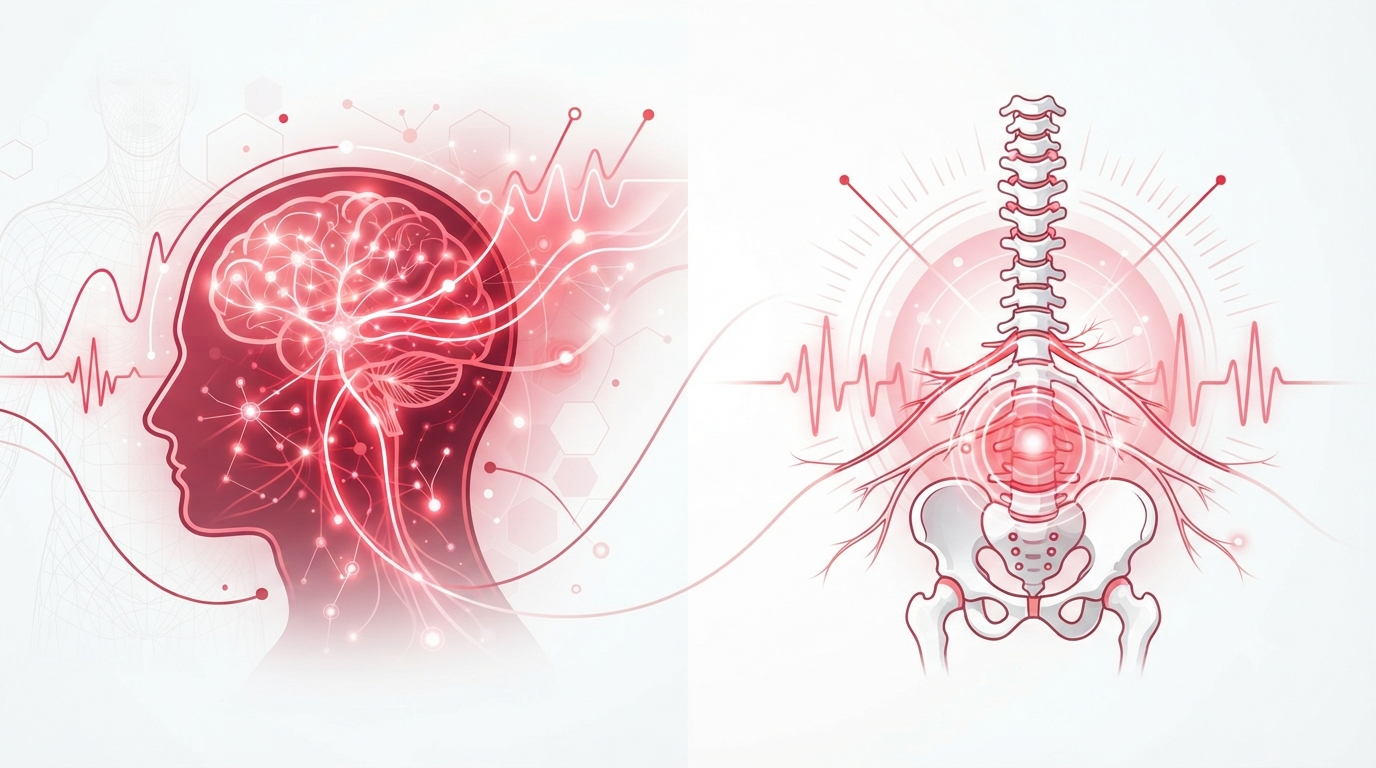
Pain that keeps returning, unexplained numbness, frequent headaches, or a burning sensation that travels down your leg can leave you wondering which specialist you actually need.
Should you see a neurologist, or would a pain management specialist be a better starting point? Although these doctors sometimes treat similar conditions, their approaches and areas of focus are different.
Sanford neurology doctors investigate problems involving the brain, spinal cord, nerves, and muscles to identify what may be causing your symptoms.
A pain management specialist focuses on understanding pain, reducing its impact, and improving your ability to function through medication management, targeted procedures, and other treatments.
Knowing the difference can help you find the right care without unnecessary delays.
Understanding the Difference Between a Neurologist and a Pain Management Specialist
Both specialists work with conditions that can affect your nerves, mobility, comfort, and daily activities. However, they approach these concerns from different clinical perspectives.
What Does a Neurologist Treat?
A neurologist is a medical doctor who specializes in diagnosing and treating disorders of the nervous system. This includes the brain, spinal cord, peripheral nerves, and the muscles they control.
Neurological symptoms do not always appear as pain. Sometimes, the first signs involve changes in movement, sensation, memory, balance, or coordination.
A neurologist may evaluate and manage conditions such as:
- Migraines and other headache disorders
- Epilepsy and seizure disorders
- Parkinson’s disease
- Multiple sclerosis
- Neuropathy and nerve damage
- Stroke-related neurological problems
- Memory and cognitive disorders
- Muscle weakness and movement disorders
- Dizziness and balance difficulties
The primary goal is to identify the underlying neurological condition, determine how it affects the body, and develop an appropriate treatment plan.
What Does a Pain Management Specialist Treat?
A pain management specialist focuses on evaluating and treating pain that interferes with everyday life. Pain may originate from nerves, muscles, joints, the spine, previous injuries, surgery, or other medical conditions.
These specialists look beyond temporary symptom relief. Their goal is to reduce pain, improve physical function, and help patients participate more comfortably in daily activities.
Common conditions treated by pain management specialists include:
- Chronic back and neck pain
- Sciatica
- Herniated discs
- Arthritis-related pain
- Spinal stenosis
- Nerve pain
- Complex regional pain syndrome
- Post-surgical pain
- Persistent musculoskeletal pain
Depending on the diagnosis, treatment may include medication management, physical rehabilitation recommendations, nerve blocks, epidural steroid injections, or other image-guided procedures.
Neurologist vs. Pain Management Specialist: A Side-by-Side Comparison
Understanding how these specialties differ makes it easier to identify where your symptoms may need attention.
| Area of care | Neurologist | Pain Management Specialist |
| Primary focus | Nervous system disorders | Acute and chronic pain |
| Main objective | Diagnose and manage neurological conditions | Reduce pain and improve function |
| Common symptoms | Numbness, seizures, weakness, migraines, memory changes | Back pain, neck pain, nerve pain, joint pain |
| Diagnostic approach | Neurological examination, MRI, EEG, EMG/NCS and laboratory tests when appropriate | Physical assessment, imaging review, diagnostic injections and other evaluations |
| Treatment options | Condition-specific medications and neurological therapies | Medication management, injections, nerve blocks and other pain procedures |
| Long-term goal | Protect neurological health and manage disease | Improve comfort, mobility and quality of life |
One important distinction is that pain management specialists do not simply prescribe pain medication.
Modern pain care can involve several approaches, including targeted procedures and multidisciplinary treatment.
Likewise, neurologists do not treat only brain diseases. They also evaluate nerve-related pain, tingling, weakness, and other symptoms that may originate in the peripheral nervous system.
When Should You See a Neurologist Instead?
If your symptoms involve changes in how your brain, nerves, or muscles function, Sanford Neurology doctors are often the appropriate specialist to consult.
The important consideration is whether your symptoms suggest an underlying neurological problem rather than pain alone.
Consider scheduling a neurological evaluation if you experience:
1. Persistent Numbness or Tingling
A recurring pins-and-needles sensation in your hands, feet, arms, or legs deserves attention, particularly when it comes with weakness or changes in sensation.
These symptoms may be associated with peripheral neuropathy, nerve compression, or other neurological conditions. A neurologist can evaluate the affected nerves and investigate possible causes.
2. Frequent or Unexplained Headaches
Occasional headaches may improve with rest or appropriate medication.
However, headaches that become more frequent, interfere with work, or change in intensity or pattern may require a neurological evaluation.
A neurologist can assess whether the symptoms are consistent with migraine, tension-type headache, or another neurological condition and recommend appropriate treatment.
3. Muscle Weakness or Coordination Problems
Difficulty holding objects, frequent stumbling, changes in walking patterns, or unexplained muscle weakness should not be dismissed as ordinary fatigue.
These symptoms can involve the nerves, muscles, or brain pathways responsible for movement. A neurological examination can help identify where the problem may originate.
4. Seizures, Tremors, or Memory Changes
Episodes of unusual movements, unexplained seizures, persistent tremors, and changes in memory or thinking may indicate a neurological condition.
A neurologist can determine whether further testing, such as an EEG, brain imaging, or other diagnostic evaluations, is appropriate.
Important: Sudden facial drooping, one-sided weakness, difficulty speaking, sudden vision loss, or a sudden severe headache may indicate a medical emergency.
When Is a Pain Management Specialist the Better Choice?
When pain is the main problem and continues to interfere with your ability to work, sleep, walk, or enjoy everyday activities, a pain management specialist may be the right starting point.
You do not have to wait until pain becomes unbearable to seek professional care.
Consider pain management when you experience:
- Persistent back or neck pain: Discomfort that continues despite rest, medication, or initial treatment may require a more comprehensive evaluation.
- Sciatica: Pain that travels from the lower back through the buttock and down the leg may involve irritation or compression of a spinal nerve.
- Arthritis-related discomfort: Joint pain and stiffness can gradually restrict movement and make everyday activities difficult.
- Post-surgical pain: Pain that continues beyond the expected recovery period may benefit from a structured pain management approach.
- Chronic nerve pain: Burning, shooting, or electric-like sensations may require treatments specifically designed for neuropathic pain.
A pain management specialist may recommend a combination of treatments based on the suspected cause, severity, medical history, and previous response to care.
What Treatment Options Can a Pain Management Specialist Offer?
Pain treatment is not limited to medication. Depending on the condition, a specialist may consider:
- Medication management: Selecting and adjusting medications to help control specific types of pain.
- Epidural steroid injections: Delivering medication into the epidural space to help reduce inflammation associated with certain spinal conditions.
- Nerve blocks: Using targeted injections to interrupt pain signals from specific nerves.
- Radiofrequency ablation: Applying controlled heat to selected nerves to reduce certain types of pain.
- Image-guided procedures: Using imaging technology to help guide treatment toward the intended anatomical area.
Not every treatment is suitable for every patient. A proper evaluation helps determine whether a procedure is appropriate and what benefits and risks to consider.
How to Prepare for Your First Specialist Appointment
Whether you are visiting a neurologist or pain management specialist, arriving with clear information can make your appointment more productive.
Before your visit, prepare the following:
- Describe your symptoms: Note where the discomfort or unusual sensation begins and whether it spreads to other areas.
- Track the duration: Record when the symptoms started, how frequently they occur, and whether they are becoming more noticeable.
- Identify possible triggers: Consider whether movement, prolonged sitting, physical activity, stress, or certain positions make symptoms worse.
- List previous treatments: Include medications, injections, physical therapy, and other approaches you have already tried.
- Bring relevant medical records: Previous imaging reports, laboratory results, and specialist evaluations can help provide a clearer picture.
You should also mention how your symptoms affect your routine. Difficulty sleeping, reduced mobility, missed work, and trouble completing household activities are all relevant details.
This information helps your specialist understand more than just where you hurt. It shows how your condition affects your overall quality of life.
Finding the Right Neurology Care in Sanford, NC
Finding the right specialist starts with understanding what your symptoms may indicate.
If you are searching for Sanford neurology doctors, consider the type of evaluation you need, the physician’s qualifications, and whether the practice can address your concerns through appropriate diagnostic and treatment services.
Here are a few things to consider when choosing a specialist:
- Relevant expertise: Look for a physician with experience evaluating your particular symptoms or medical condition.
- Diagnostic capabilities: Access to appropriate neurological testing can support a more informed evaluation.
- Treatment options: Consider whether the practice offers medical management, pain treatment, and other appropriate services.
- Communication: Your physician should explain findings, discuss treatment options, and answer questions in understandable language.
- Continuity of care: Neurological and chronic pain conditions may require ongoing monitoring and treatment adjustments.
The right specialist should help you understand what is happening, why further evaluation may be necessary, and what steps can reasonably improve your health and daily function.
Frequently Asked Questions
1. Can a neurologist treat chronic pain?
Yes. Neurologists evaluate and manage certain types of chronic pain, particularly when they involve the nervous system. Examples include neuropathic pain, migraine, and pain associated with nerve disorders.
2. Should I see a neurologist or pain management specialist for sciatica?
Either specialist may be appropriate, depending on your symptoms. A neurologist can evaluate possible nerve involvement, while a pain management specialist can explore treatments to reduce pain and improve function.
3. Can a pain management specialist diagnose nerve damage?
Pain management specialists can evaluate nerve-related pain and may use clinical examinations, imaging, and other diagnostic information. A neurologist may also be involved when a more detailed neurological assessment is needed.
4. Do I need a referral to see a neurologist?
Referral requirements depend on your insurance plan and the medical practice. Contact the office and your insurance provider to confirm whether a referral is necessary.
5. Can I see a neurologist and pain management specialist at the same practice?
Some medical practices offer both specialties, making coordinated care more convenient. Having access to different areas of expertise can be helpful when neurological symptoms and chronic pain overlap.
6. When should I seek emergency care instead of scheduling an appointment?
Seek emergency medical attention for sudden facial drooping, one-sided weakness, difficulty speaking, sudden vision loss, a seizure lasting more than five minutes, or a sudden severe headache.
Get the Right Care for Your Neurological Symptoms and Pain
Living with unexplained symptoms or persistent pain can affect far more than physical comfort. It can interrupt sleep, limit independence, reduce productivity, and make even familiar daily activities difficult.
At Neurology & Pain Management Center, we understand that neurological conditions and chronic pain can affect every aspect of daily life.
That’s why our Sanford neurology doctors focus on delivering thoughtful, patient-centred care backed by accurate diagnosis, advanced treatment options, and a personalized approach.
Led by Dr. Nailesh Dave, who is triple board-certified in Neurology, Pain Medicine, and Sleep Medicine, our practice provides comprehensive care for a wide range of neurological disorders, chronic pain conditions, and sleep-related concerns.
Whether you’re experiencing persistent headaches, numbness, nerve pain, back pain, dizziness, or unexplained neurological symptoms, seeking expert evaluation early can help identify the underlying cause and guide the most appropriate treatment plan.
Living with ongoing symptoms should never become your normal.
Schedule an appointment with Neurology & Pain Management Center today and take the next step towards greater comfort, improved function, and a better quality of life.